Home Shoulder Pain Relief Techniques for Better Health

Shoulder Health: A Guide to Keeping Your Shoulders Happy and Pain-Free
Your shoulders are remarkable joints, providing the incredible range of motion that allows you to reach, lift, hug, throw, and perform countless other movements. But this flexibility comes at a price: shoulders are also vulnerable to injury and pain. Whether you're an athlete, a busy parent, or simply someone who wants to maintain independence as you age, understanding shoulder health, particularly the role of the rotator cuff, is essential.
The Importance of Shoulder Health
Think about all the things you do with your shoulders every day: getting dressed, driving, carrying groceries, playing sports, hugging loved ones. Shoulder pain can significantly impact your ability to perform these activities and enjoy life to the fullest.
Ignoring shoulder pain can lead to further complications and limitations. Proactive care, including strengthening exercises, and a good understanding of shoulder health can help you prevent injuries, manage existing conditions, and maintain optimal shoulder function for years to come.
Common Shoulder Problems
A variety of factors can contribute to shoulder pain and dysfunction. Some of the most common shoulder problems include:
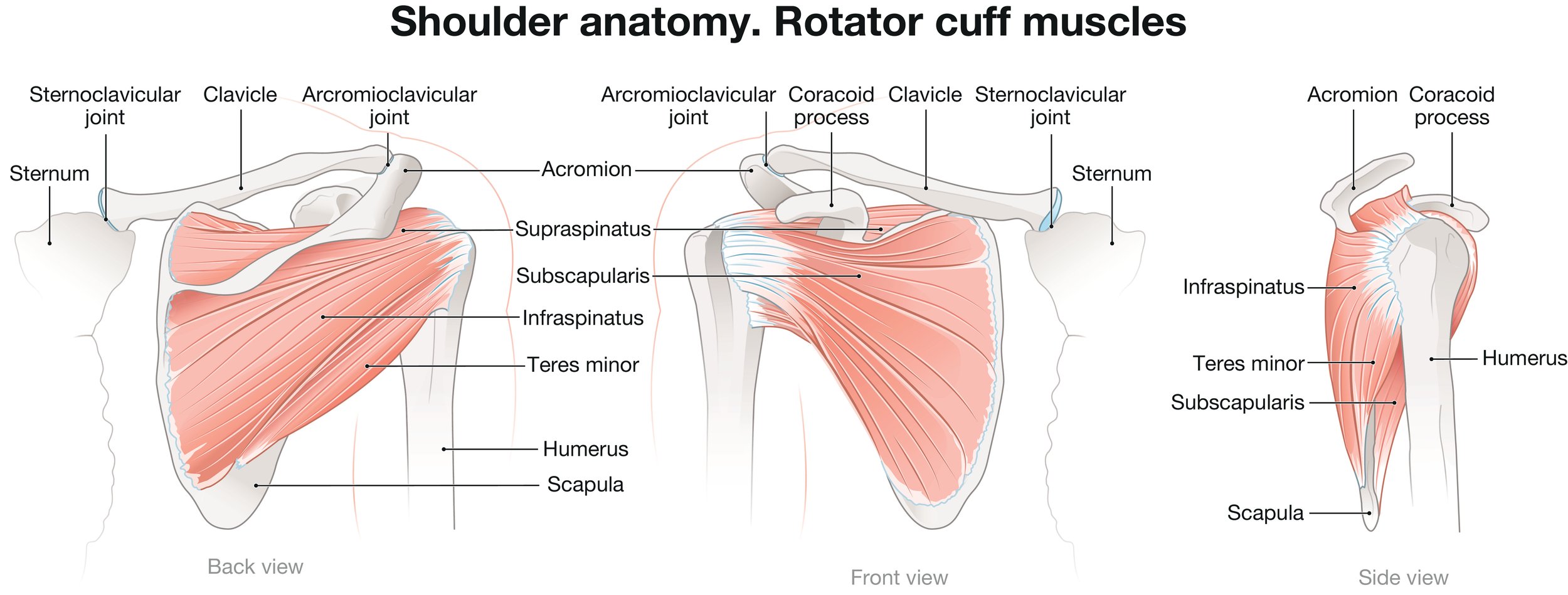
Rotator Cuff Tears: The rotator cuff is a group of muscles and tendons that surround the shoulder joint, providing stability and allowing for a wide range of motion. 1 Tears can occur from acute injuries, such as falls or sports injuries, or from gradual wear and tear over time. The rotator cuff is vital for shoulder stability and strength, making it a common source of pain when injured.
Frozen Shoulder: Also known as adhesive capsulitis, frozen shoulder is a condition that causes stiffness, pain, and limited range of motion in the shoulder. The exact cause is unknown, but it often occurs after an injury or surgery, or alongside conditions like arthritis.
Arthritis: Osteoarthritis, a degenerative joint disease, can affect the shoulder joint, leading to pain, stiffness, and inflammation.
Bursitis: The bursa is a fluid-filled sac that cushions the shoulder joint. Inflammation of the bursa, known as bursitis, can cause pain and discomfort.
Tendinitis: Tendinitis is the inflammation of a tendon, which connects muscle to bone. In the shoulder, tendinitis often affects the tendons of the rotator cuff muscles.
Impingement Syndrome: This occurs when the tendons that surround the shoulder joint are compressed, leading to symptoms like pain and inflammation.
Dislocation: A shoulder dislocation happens when the head of the upper arm bone pops out of the shoulder socket. This can be a painful and debilitating injury.
Proactive Steps for Healthy Shoulders: Lifestyle Changes
The good news is that many shoulder problems can be prevented or managed with proactive care, providing relief from pain and discomfort. Here are some essential tips to keep your shoulders healthy:
Maintain Good Posture: Poor posture, such as slouching or hunching, puts excessive stress on your shoulders and neck. Practice good posture by standing tall, sitting upright, and keeping your shoulders relaxed.
Warm Up Before Activity: Always warm up your muscles before engaging in any strenuous activity. This helps increase blood flow to the muscles and prepares them for exertion. Dynamic stretches like arm circles, shoulder rolls, and cross-body arm stretches are excellent for warming up the shoulders, including the rotator cuff.
Strengthen Your Shoulders: Strong shoulder muscles provide stability and support to the joint. Incorporate strengthening exercises that target the muscles surrounding your shoulders, including the rotator cuff, deltoids, and trapezius. Weightlifting, resistance band exercises, and bodyweight exercises like push-ups and planks are all effective options.
Stretch Regularly: Regular stretching helps improve flexibility, mobility, and range of motion in the shoulders. Focus on stretches that target the chest, shoulders, and upper back. Hold each stretch for at least 30 seconds and breathe deeply.
Use Proper Lifting Techniques: When lifting heavy objects, bend your knees, keep your back straight, and hold the object close to your body. Avoid twisting or jerking movements while lifting.
Listen to Your Body: Pay close attention to your body's signals. If you experience any sharp pain, clicking or popping sensations, or significant limitations in your range of motion, stop the activity and rest. If discomfort persists, seek professional advice. Don't push through pain, as this can lead to further injury.
Proactive Steps for Healthy Shoulders: Helpful Tools
Various tools and resources can help you maintain healthy shoulders and manage shoulder conditions. Some helpful options include:
Shoulder Pulley: A shoulder pulley is a simple yet effective device that helps improve range of motion and flexibility in the shoulder. It's particularly useful for rehabilitation after injury or surgery.
Resistance Bands: Resistance bands are versatile tools that can be used for a variety of exercises to strengthen and stabilize the shoulders. They come in different resistance levels, allowing you to progress as you get stronger.
Stability Ball: A stability ball can be incorporated into your workouts to improve shoulder stability, core strength, and balance. Exercises like ball rolls, shoulder taps, and chest presses on the stability ball can challenge your shoulder muscles in a dynamic way.
PT IN A BOX - Shoulder Kit: This comprehensive kit provides tools and guidance for performing shoulder exercises at home. It typically includes resistance bands, exercise guides, and other resources to support your shoulder rehabilitation.

Relieve Shoulder Pain and Improve Range of Motion
The Nyack Exchanges Shoulder Pulley is a great choice for people who are looking for a high-quality, durable shoulder pulley that is easy to use and effective. The Shoulder Pulley is a simple yet effective device that can help you relieve shoulder pain and improve range of motion. It is commonly used in physical therapy to rehabilitate shoulder injuries and conditions such as rotator cuff tear, frozen shoulder, and bursitis.
How it Works
The Shoulder Pulley is attached to a doorway using the included door anchor. Once in place, you can perform a variety of exercises to stretch and strengthen your shoulder muscles. The pulley system provides smooth, resistance-free movement, making it ideal for people with limited range of motion.
Benefits of Using a Shoulder Pulley
Relieves shoulder pain and stiffness
Improves range of motion
Strengthens shoulder muscles
Speeds up recovery from shoulder injuries and surgery
Helps prevent future shoulder problems
Features
Durable construction
Smooth, quiet pulley system
Adjustable rope length
Comfortable foam handles
Easy to set up and use
Includes door anchor and instruction guide
Whether you are recovering from a shoulder injury or simply looking to improve your shoulder health and flexibility, the Shoulder Pulley is a great choice.

Resistance bands are a great addition to your home gym. They are perfect for those who want to exercise at home or who like to take their workouts along when they travel,
These inexpensive exercise tools are convenient for people of any age or fitness level. But don't let their simplicity fool you. Resistance band exercises are surprisingly effective and offer many benefits for toning and strengthening.
5 color Exercise Bands: All exercise bands are 41 inches long and come in yellow (10 lbs), blue (20 lbs), green (30 lbs), black (40 lbs), and red (50 lbs).
Versatile Accessories: Our resistance bands provide you with multiple ways to train your body and also come with cushioned handles, ankle straps, and a door anchor.
Provides a total body workout
Portable for a workout anywhere
Stackable Up to 150 lbs: Our bands are strong, durable, and up to all your challenges. It can be used independently or in different combinations with maximum resistance.
What's Included: 5 durable latex bands, two cushioned handles, two ankle straps, one carrying bag, and 1 exercise guide.
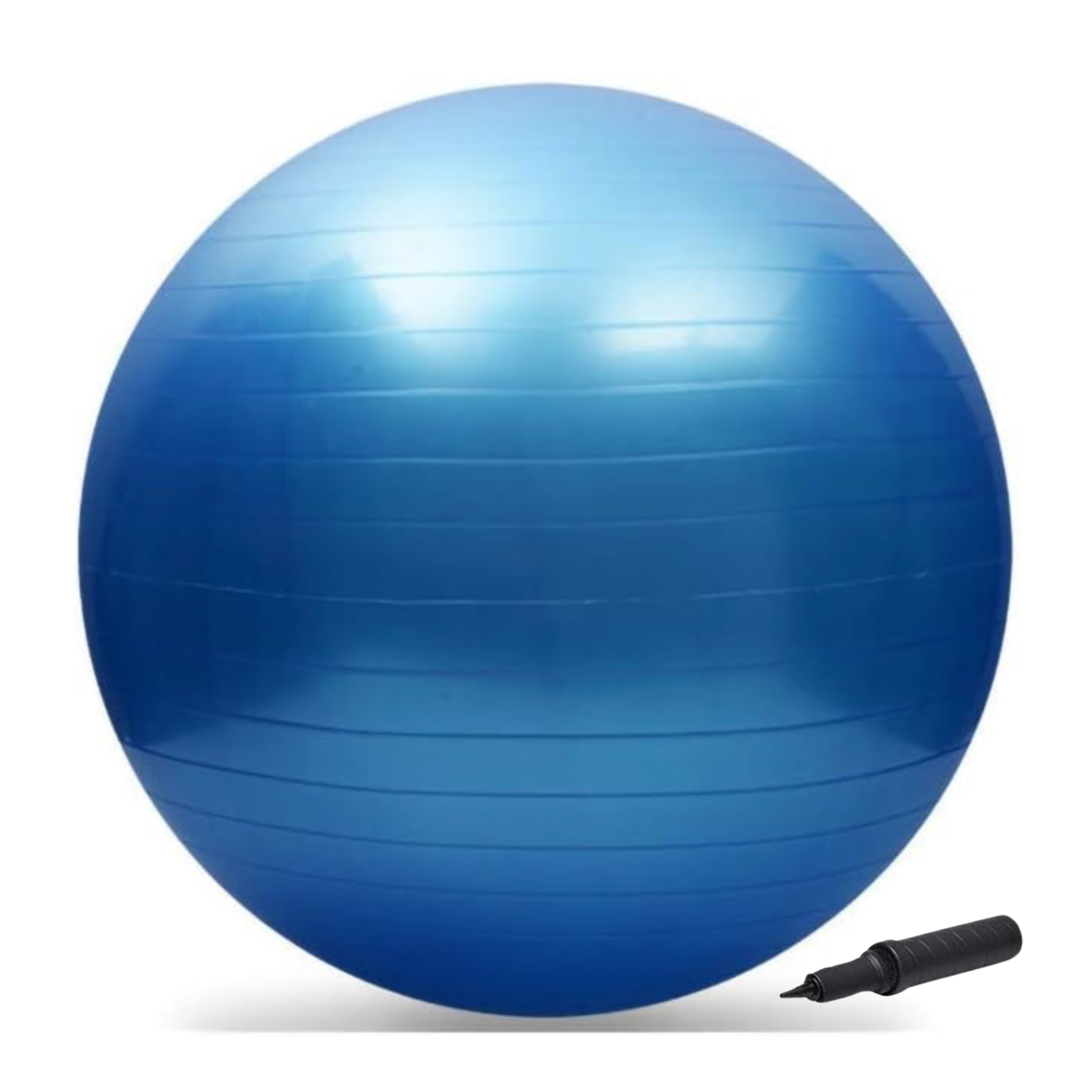
The Nyack Exchange Stability Ball: Your Secret Weapon for Core & More. Build Strength, and Find Balance. This versatile exercise tool goes beyond just crunches, offering a safe and effective way to:
Boost core power: Engage your abs, obliques, and back for a dynamic workout that builds stability from the inside out.
Enhance balance and coordination: Improve your agility and control as you master new poses and exercises.
Increase flexibility and range of motion: Gently stretch and lengthen muscles, promoting improved posture and reducing tension.
Reduce pregnancy discomfort: Find gentle support and relief from aches and pains throughout your pregnancy journey.
Transform your office chair: Add some ergonomic movement to your workday and say goodbye to back pain.
Features
Anti-burst material: Train with confidence knowing it can withstand even the most intense workouts.
Slip-resistant surface: Maintain your grip and prevent slips even during sweaty sessions.
Included pump: Get started quickly and easily with the convenient pump.
More than just a workout ball, the Nyack Exchange Stability Ball is an invitation to explore your fitness possibilities. Find your balance, ignite your strength, relive your pain.
When to Seek Professional Help
While self-care measures can be helpful for managing mild shoulder discomfort, it's important to seek professional help if you experience persistent symptoms or severe shoulder pain.
A physical therapist can assess your condition, diagnose the underlying cause of your pain, such as a rotator cuff injury or frozen shoulder, and develop a personalized treatment plan to address your specific needs. Physical therapy may involve manual therapy, therapeutic exercises, modalities like a cold compress or ice, and patient education to help you regain function and prevent future injuries.

Home Program for Shoulder Pain
While consulting a physical therapist is recommended for persistent shoulder pain, incorporating a simple home program can also be beneficial for managing mild discomfort and maintaining shoulder health. Here are some key elements to include:
Flexibility Exercises: Focus on stretches that improve the range of motion in your shoulder joint. Some examples include:
Cross-body shoulder stretch: Gently pull one arm across your chest, holding it with your other hand.
Pendulum swings: Lean forward, supporting yourself with a table, and gently swing your arm in circles.
Sleeper stretch: Lie on your side and bend your top arm to 90 degrees, keeping your elbow at your side. Gently rotate your forearm down towards the bed.
Strengthening Exercises: Use resistance bands or light weights to strengthen the muscles surrounding your shoulder. Examples include:
External rotations: Hold a resistance band with your elbow at your side and rotate your forearm outward.
Wall slides: Stand facing a wall with your arms raised and your fingers touching the wall. Slowly slide your arms up the wall, keeping your elbows straight.
Heat and Ice Therapy: Apply heat before exercise to increase blood flow and ice afterward to reduce inflammation.
Posture Awareness: Pay close attention to your posture throughout the day, especially when sitting or working at a computer.
Sleep Position: Try sleeping on your back or non-painful side with a pillow to support your arm. Avoid sleeping directly on your shoulder.
Stress Management: Practice relaxation techniques like deep breathing or meditation to reduce tension, which can contribute to shoulder pain.
Take Control of Your Shoulder Health
Your shoulders play a vital role in your daily life and overall well-being. By prioritizing shoulder health, you can maintain your independence, enjoy your favorite activities, and live a pain-free life.
Remember to practice good posture, warm up before activity, strengthen and stretch your shoulders regularly, and listen to your body. If you experience persistent shoulder pain, don't hesitate to seek professional help from a physical therapist.
By taking a proactive approach to shoulder health, you can experience relief while keeping your shoulders strong, enhancing mobility, and staying pain-free for years to come.
